

The transformation of human civilization from agrarian societies to mechanized powerhouses stands as one of history’s most dramatic shifts. How Innovation Forged the Industrial Age is a story of brilliant minds, mechanical ingenuity, and the relentless pursuit of efficiency that reshaped every aspect of human existence. Between the mid-18th and early 20th centuries, a cascade of technological breakthroughs fundamentally altered manufacturing, transportation, and communication. This era didn’t simply introduce new machines—it revolutionized the very concept of production itself, creating systems that would define modern economic life for generations to come.
The foundation of mechanical progress
The Industrial Age began in earnest with James Watt’s improved steam engine in 1769, which increased efficiency by roughly 75 percent compared to earlier designs. This wasn’t merely an incremental improvement but a transformative leap that made steam power economically viable for factories, mines, and eventually transportation. The steam engine required precise engineering and reliable sealing solutions to contain high-pressure steam, leading innovators to develop improved gasket sheets that could withstand extreme temperatures and pressures. Early manufacturers experimented with leather, rope, and rubber compounds, each iteration bringing greater reliability to industrial machinery. The ability to maintain consistent pressure within boilers and cylinders proved essential for scaling production beyond what human or animal power could achieve.
Manufacturing centers emerged in Britain first, with textile mills in Manchester and Sheffield’s steel foundries leading the charge. By 1850, Britain produced approximately 50 percent of the world’s iron and consumed roughly 62 percent of global raw cotton for its textile industry. These factories operated around the clock, their machinery demanding constant maintenance and innovation in component design. Engineers discovered that standardization reduced costs dramatically—interchangeable parts meant repairs could be completed quickly without custom fabrication. This principle of standardization extended to sealing components, where consistent dimensions in gasket sheets allowed for predictable performance across different machines and applications.

Transportation networks reshape commerce
Railways transformed the industrial landscape more than perhaps any other single innovation during this era. The first public railway, the Stockton and Darlington Railway, opened in 1825, covering just 25 miles. Within three decades, Britain had laid over 6,000 miles of track, and the United States would surpass 30,000 miles by 1860. Steam locomotives required sophisticated sealing systems at cylinder heads, valve stems, and boiler connections, where failures could prove catastrophic. Engineers developed specialized kammprofile gaskets for critical applications, combining metal cores with softer sealing layers to handle both high temperatures and mechanical stress. These advanced sealing solutions enabled locomotives to operate safely at higher pressures, increasing power output and reliability across expanding rail networks.
Maritime innovation paralleled developments on land, with steamships gradually replacing sailing vessels for cargo and passenger transport. Isambard Kingdom Brunel’s SS Great Britain, launched in 1843, measured 322 feet long and demonstrated that iron-hulled, propeller-driven vessels could cross oceans reliably. Ships required watertight seals at countless points—hull penetrations, engine mountings, and steam system connections. The marine environment’s corrosive nature demanded materials that resisted salt water while maintaining flexibility. Graphite gasket sheet emerged as a valuable material for marine applications, offering excellent thermal conductivity to dissipate heat while providing resilient sealing under vibration and thermal cycling. Shipbuilders found these properties essential for engine room applications where traditional materials degraded rapidly.
Metallurgy and material science advances
The Industrial Age demanded materials with properties beyond what nature readily provided. Henry Bessemer’s converter, patented in 1856, reduced steel production time from weeks to minutes and cut costs by approximately 80 percent. This abundance of affordable steel enabled construction of larger machines, taller buildings, and longer bridges. Steel’s strength-to-weight ratio opened possibilities that cast iron couldn’t match, but its use in high-temperature applications required equally advanced supporting components. Manufacturers recognized that even the finest machinery failed without proper sealing at joints and connections, driving continuous improvement in gasket materials and designs.
Chemical industries expanded dramatically during this period, producing dyes, pharmaceuticals, and industrial acids at unprecedented scales. German chemical companies led innovation, with BASF founded in 1865 and Bayer following in 1863. Chemical processing equipment faced unique challenges—corrosive substances, extreme pH levels, and temperature fluctuations that destroyed conventional materials. Engineers adapted kammprofile gaskets for chemical service by selecting corrosion-resistant core materials and chemical-compatible facings, allowing plants to operate safely with aggressive substances. This innovation directly enabled the synthetic dye industry, which freed textile manufacturers from dependence on natural colorants and expanded the palette available to consumers worldwide.
Electrical power transforms industry
Thomas Edison’s Pearl Street Station, opened in New York City in 1882, marked the beginning of centralized electrical power distribution. Within two decades, electrical motors began replacing steam engines and line shaft systems in factories, providing unprecedented flexibility in plant layout and operation. Electric lighting extended productive hours and improved working conditions compared to gas lamps or candles. Power generation stations required turbines, generators, and transformers with exacting specifications, where even minor steam or oil leaks compromised efficiency. Engineers specified graphite gasket sheet for electrical generation equipment due to its electrical conductivity, which prevented static buildup while providing thermal resistance necessary for turbine applications operating at temperatures exceeding 500 degrees Fahrenheit.
Factory electrification progressed rapidly after 1900, with individual machines receiving dedicated motors rather than drawing power from overhead belt systems. This flexibility allowed manufacturers to reorganize production floors for logical workflow rather than proximity to power transmission shafts. By 1920, approximately 70 percent of American industrial power came from electric motors, compared to less than 5 percent in 1900. This transition represented not just a change in power source but a fundamental reconception of industrial space and process optimization.
Communication technologies shrink distances
Samuel Morse’s telegraph, demonstrated commercially in 1844, collapsed communication time from weeks to minutes. By 1866, the transatlantic cable connected North America and Europe, enabling same-day business communication across thousands of miles. Telegraph networks required extensive infrastructure—poles, wires, relay stations, and operators—creating new industries and employment categories. Railway companies adopted telegraphs for scheduling and safety, dramatically reducing collisions and improving network efficiency. Could businesses operate at modern scales without instant communication? The Industrial Age proved they couldn’t, as coordinating far-flung operations demanded real-time information exchange.
Alexander Graham Bell’s telephone, patented in 1876, further revolutionized business communication by adding voice transmission. By 1900, the United States had approximately 600,000 telephone subscribers, growing to 10 million by 1915. This communication revolution enabled complex business organizations with headquarters directing multiple facilities across regions or continents. The organizational structures we consider standard today—corporate hierarchies, divisional management, centralized planning—became feasible only with reliable, rapid communication technologies developed during the Industrial Age.
The human dimension of industrial progress
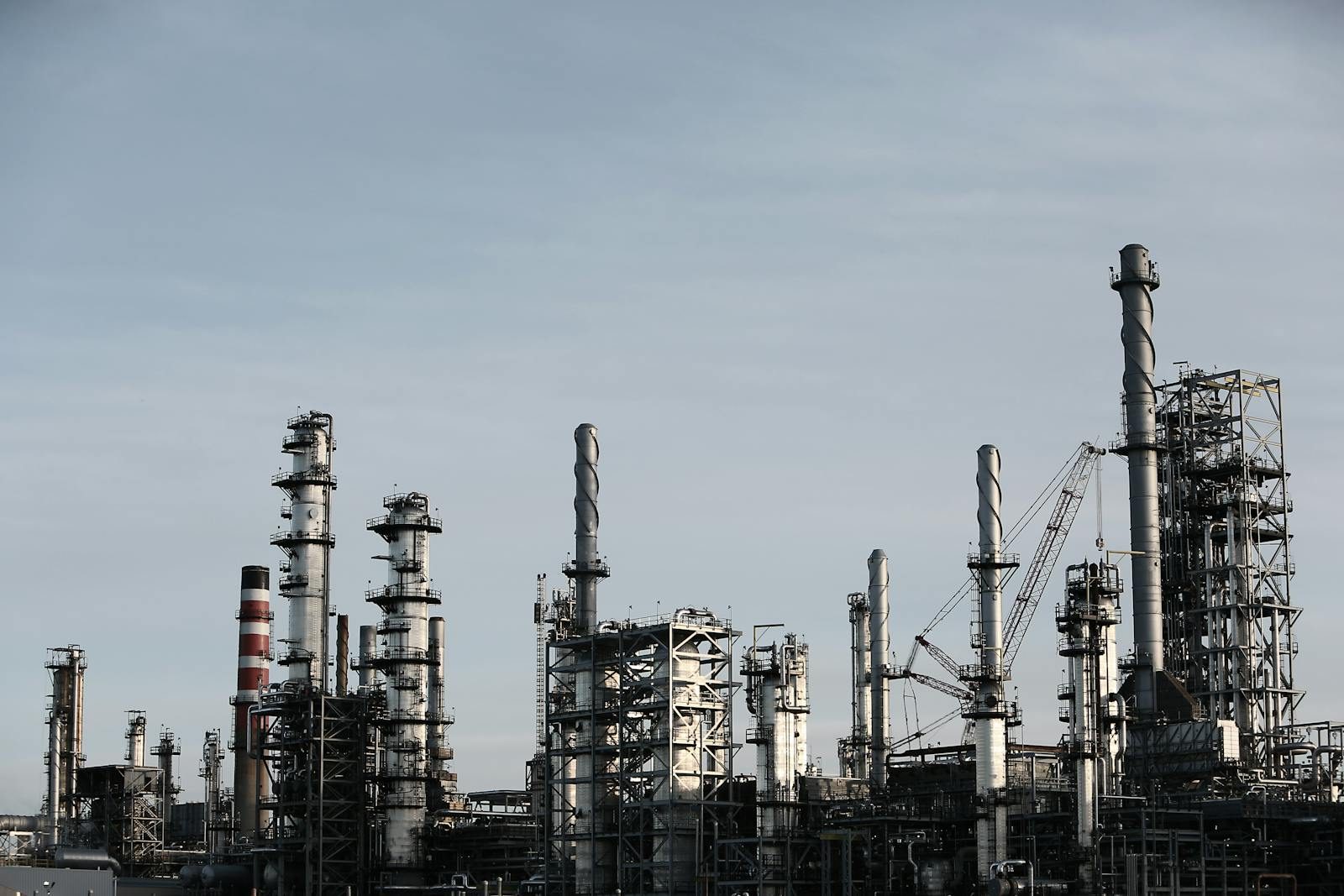
How Innovation Forged the Industrial Age extends beyond machines and materials to encompass social transformations equally profound. Urban populations exploded as workers migrated from rural areas to factory towns. Manchester’s population grew from approximately 40,000 in 1780 to over 300,000 by 1850, a pattern repeated across industrial regions. This urbanization created new challenges—housing shortages, sanitation problems, and labor disputes—that societies struggled to address. Factory work imposed rigid schedules and repetitive tasks fundamentally different from agricultural labor’s seasonal rhythms.
Labor movements emerged as workers organized to improve conditions and wages. The British Factory Act of 1833 limited children’s working hours and required basic safety measures, establishing precedents for labor regulation. By the early 20th century, eight-hour workdays and weekend rest became standard expectations in industrialized nations. These social innovations proved as essential as technological ones for sustainable industrial development, creating stable workforces and domestic markets for manufactured goods.
The legacy of How Innovation Forged the Industrial Age extends directly into our contemporary world. Modern manufacturing retains principles established during this transformative era—standardization, specialization, continuous improvement, and systematic problem-solving. The innovations born from necessity during the 18th and 19th centuries created templates still followed today, demonstrating how fundamental breakthroughs in technology and organization reshape human possibilities for generations. Understanding this history provides perspective on our current technological transformation and the enduring patterns that guide industrial progress across centuries.
