
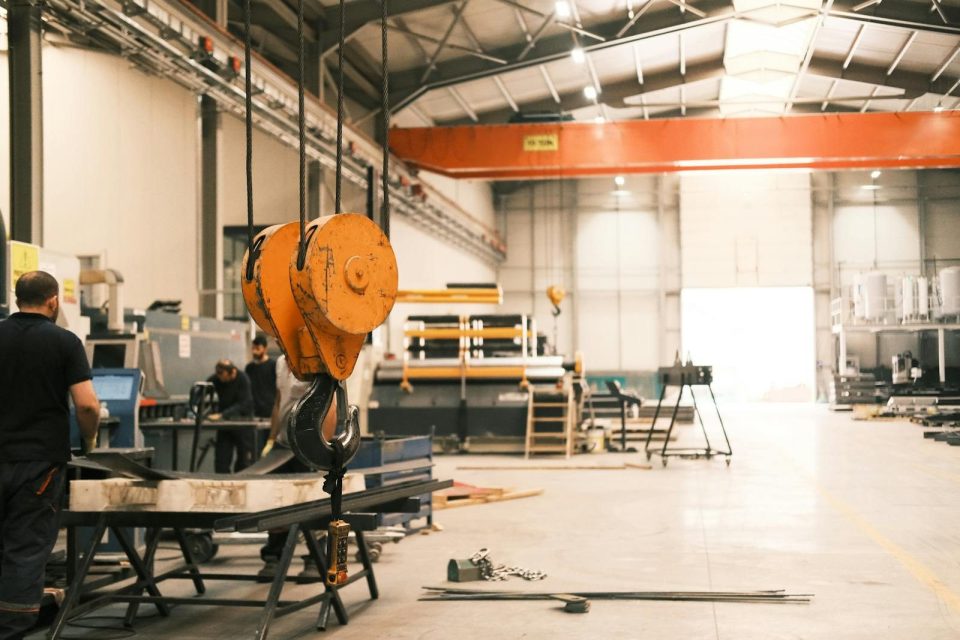
Industrial equipment failures can bring production lines to a grinding halt, costing companies thousands of dollars per hour in lost productivity. One of the most common yet preventable causes of equipment breakdown stems from inadequate sealing systems. Maintaining industrial equipment through proper sealing solutions is not just about preventing leaks—it’s about extending machinery lifespan, ensuring worker safety, and optimizing operational efficiency. When seals fail in high-pressure systems, pumps, compressors, or heat exchangers, the consequences ripple through entire manufacturing operations, affecting everything from product quality to environmental compliance.
Understanding the critical role of seals in equipment longevity
Sealing components serve as the first line of defense against contamination, pressure loss, and fluid escape in industrial machinery. These seemingly simple parts perform complex functions under extreme conditions, from withstanding temperatures exceeding 500 degrees Celsius to managing pressures that reach several thousand PSI. The selection of appropriate sealing materials directly impacts equipment reliability and maintenance schedules. In chemical processing plants, for instance, a single failed seal can expose workers to hazardous substances and trigger costly emergency shutdowns. Proper sealing solutions prevent oxidation, reduce friction between moving parts, and maintain the integrity of lubricating systems that keep machinery running smoothly. When you invest in quality sealing technology from the outset, you reduce the frequency of unplanned maintenance interventions by up to 40 percent according to industry maintenance studies.
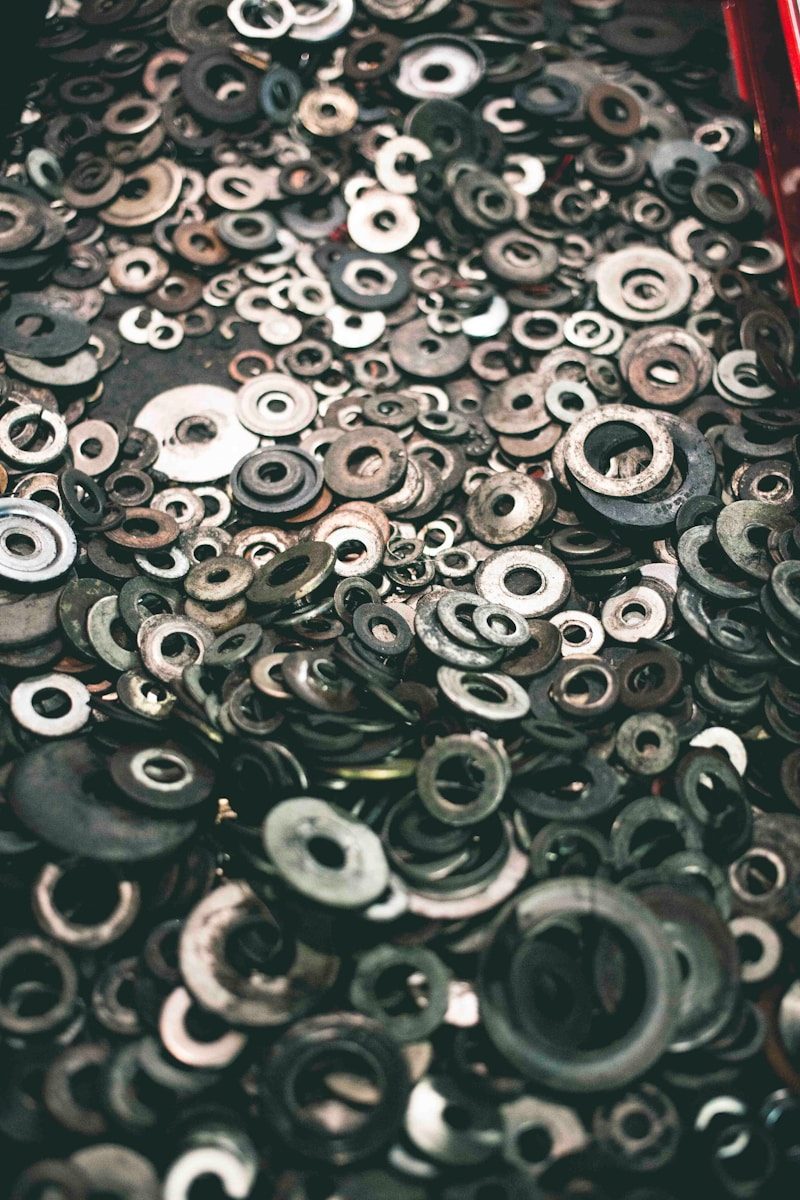
Metal gaskets for demanding industrial applications
High-temperature and high-pressure environments require sealing solutions that can withstand conditions where conventional materials simply fail. Metal gaskets have become indispensable in industries such as oil and gas, aerospace, and power generation where operating parameters exceed the capabilities of traditional rubber or fiber-based seals. These precision-engineered components utilize materials like stainless steel, Inconel, and copper to create reliable seals in flange connections, valve bodies, and cylinder heads. The manufacturing process involves careful consideration of surface finish, compression characteristics, and thermal expansion coefficients to ensure consistent performance across temperature fluctuations. Installation of metal gaskets requires specific torque values and bolt-tightening sequences to achieve proper seating without damaging the gasket or flange surfaces. Many maintenance teams now use hydraulic tensioning tools rather than traditional wrenches to ensure uniform load distribution across all bolting points, particularly in large-diameter pipe flanges where uneven compression can lead to premature seal failure.
Selecting the right gasket material for your application
The decision between different gasket types depends on multiple factors including fluid compatibility, temperature range, pressure requirements, and flange design. Spiral wound gaskets combine the resilience of filler materials with the strength of metal winding to create versatile sealing solutions suitable for applications with thermal cycling. Ring joint gaskets, machined from solid metal bars, provide exceptional sealing performance in extreme pressure situations common in wellhead equipment and high-pressure vessels. Each gasket style has specific installation requirements and reusability considerations that affect long-term maintenance costs. What works perfectly in a steam system operating at 200 PSI may fail catastrophically in a cryogenic application where temperatures drop below minus 100 degrees Celsius. Consulting with sealing specialists and reviewing manufacturer specifications helps you match gasket properties to your exact operating conditions, avoiding the false economy of choosing cheaper alternatives that require frequent replacement.
Implementing preventive maintenance programs for sealing systems
A systematic approach to seal inspection and replacement prevents unexpected failures and extends the service life of industrial equipment. Establishing baseline performance metrics through regular monitoring allows maintenance teams to detect gradual degradation before catastrophic failure occurs. Vibration analysis, temperature monitoring, and ultrasonic leak detection provide early warning signs that sealing systems are beginning to compromise. Many facilities now incorporate condition-based maintenance strategies that use sensor data to predict seal failure weeks or months in advance. This proactive approach contrasts sharply with reactive maintenance, where teams only respond after equipment has already failed. Documentation of seal performance, including installation dates, operating conditions, and failure modes, creates valuable historical data that informs future material selection and replacement intervals. Training maintenance personnel on proper installation techniques yields significant returns, as improper installation accounts for approximately 60 percent of premature seal failures in industrial settings.
The ba u principle in balanced sealing force distribution
Advanced sealing theory incorporates the ba u concept, which represents the relationship between bolt load area and gasket contact stress necessary to maintain an effective seal throughout operating cycles. This engineering principle guides the calculation of minimum bolt loads required to seat gaskets initially and maintain sealing pressure during thermal expansion and system pressure fluctuations. The ba u factor varies depending on gasket material, operating pressure, and fluid type, requiring precise calculations during the design phase of piping systems and pressure vessels. Understanding this relationship helps maintenance teams avoid both under-tightening, which leads to leakage, and over-tightening, which crushes gaskets and damages flange faces. Modern torque specifications incorporate ba u principles to ensure optimal sealing performance while preventing bolt overstress that can lead to fastener failure. When retrofitting older equipment with new sealing solutions, reassessing bolt loads according to current ba u standards often reveals why chronic leakage problems have persisted despite repeated gasket replacements.
Common sealing failures and how to prevent them
Analyzing failure patterns reveals that most sealing problems stem from a handful of preventable causes. Improper surface preparation tops the list, with scratched, corroded, or warped mating surfaces preventing even the best gaskets from creating reliable seals. Flange faces should be cleaned thoroughly and inspected for defects before each gasket installation, with surface roughness measurements taken to ensure compatibility with gasket specifications. Chemical attack from incompatible fluids degrades sealing materials over time, particularly when process conditions change without corresponding updates to sealing specifications. Temperature excursions beyond design limits cause permanent set in gaskets, reducing their ability to maintain contact pressure during normal operation. Vibration and thermal cycling gradually work bolts loose, reducing clamping force and allowing seals to weaken progressively. Implementing lockwire, spring washers, or hydraulic bolt tensioners helps maintain consistent preload in applications subject to severe vibration or temperature fluctuations.
Maintaining industrial equipment through proper sealing solutions in harsh environments
Extreme operating conditions demand specialized sealing technologies and rigorous maintenance protocols. Offshore platforms expose equipment to saltwater corrosion, temperature extremes, and constant vibration that accelerate seal degradation. Mining operations subject machinery to abrasive dust and contaminants that work their way into sealing interfaces despite protective measures. Chemical processing facilities handle corrosive substances that attack conventional sealing materials within weeks or days. In these challenging environments, seal selection becomes critical to equipment availability and operational safety. Dual mechanical seals with barrier fluid systems provide redundancy in critical pumping applications, ensuring that primary seal failure does not immediately result in hazardous fluid release. Protective coatings on flange surfaces and fasteners extend service life in corrosive atmospheres, while environmental enclosures shield sealing points from external contamination. Regular flushing systems remove abrasive particles from seal faces in slurry applications, dramatically extending seal life compared to unprotected configurations.
Cost-benefit analysis of premium sealing solutions
Investing in high-quality sealing components often generates substantial returns through reduced downtime and extended maintenance intervals. A premium mechanical seal costing five times more than a basic model may last ten times longer, delivering superior overall value while eliminating multiple change-outs and associated labor costs. The calculation extends beyond component prices to include lost production during shutdowns, emergency callout fees for after-hours repairs, and potential environmental fines from fugitive emissions. Industries with continuous processes, such as refining and petrochemicals, recognize that seal reliability directly impacts annual production volumes worth millions of dollars. Even in batch manufacturing, unplanned equipment downtime disrupts schedules, delays customer deliveries, and damages business relationships. Forward-thinking maintenance managers track total cost of ownership rather than purchase price alone, factoring in installation labor, inventory carrying costs, and failure-related expenses when evaluating sealing alternatives.
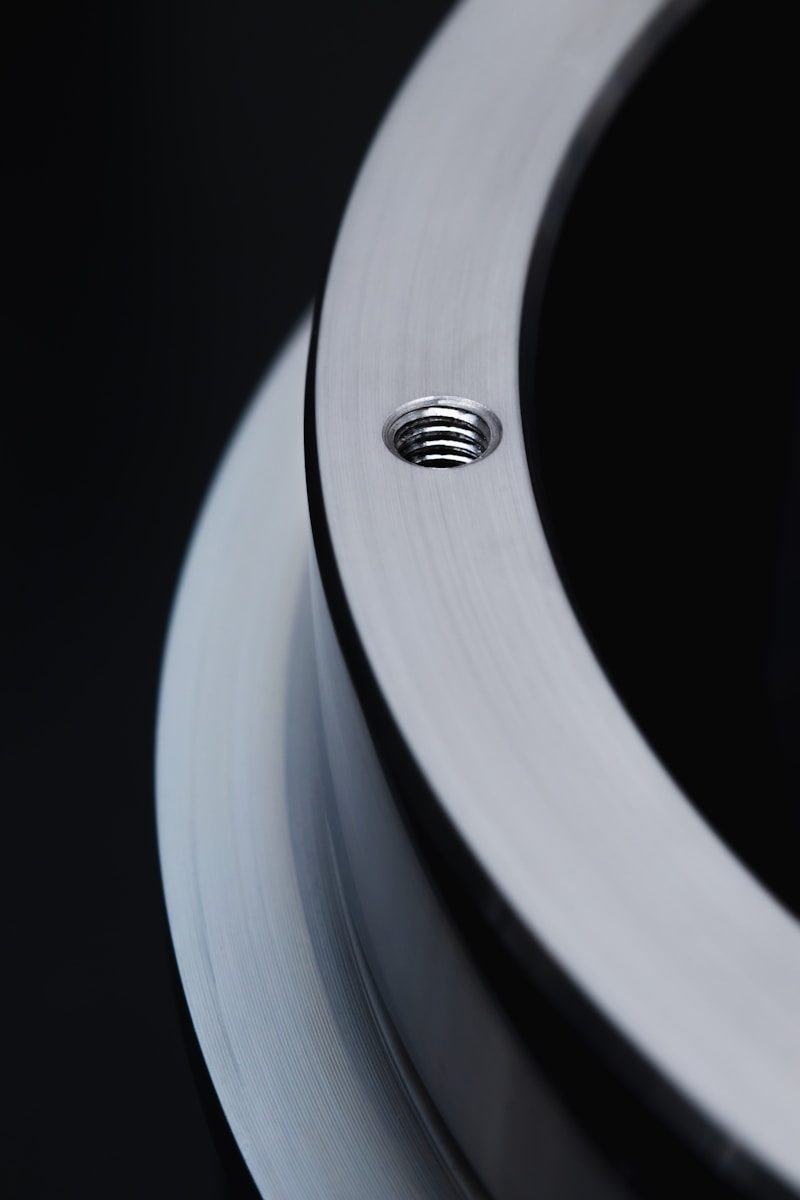
Future developments in sealing technology
Innovation continues to push the boundaries of what sealing systems can achieve in industrial applications. Smart seals equipped with embedded sensors now monitor wear conditions, leak rates, and operating temperatures in real time, transmitting data wirelessly to maintenance management systems. These intelligent components enable truly predictive maintenance strategies that optimize replacement timing based on actual component condition rather than arbitrary calendar schedules. Advanced materials incorporating graphene and carbon nanotubes promise enhanced thermal conductivity, chemical resistance, and mechanical strength in next-generation gaskets and seals. Additive manufacturing techniques allow creation of custom seal geometries previously impossible with conventional machining methods, opening new possibilities for difficult sealing challenges. As Industry 4.0 concepts penetrate maintenance operations, sealing systems will increasingly integrate with broader equipment health monitoring ecosystems. The fundamental importance of maintaining industrial equipment through proper sealing solutions remains constant even as the tools and technologies evolve to meet ever-more demanding operational requirements.
