
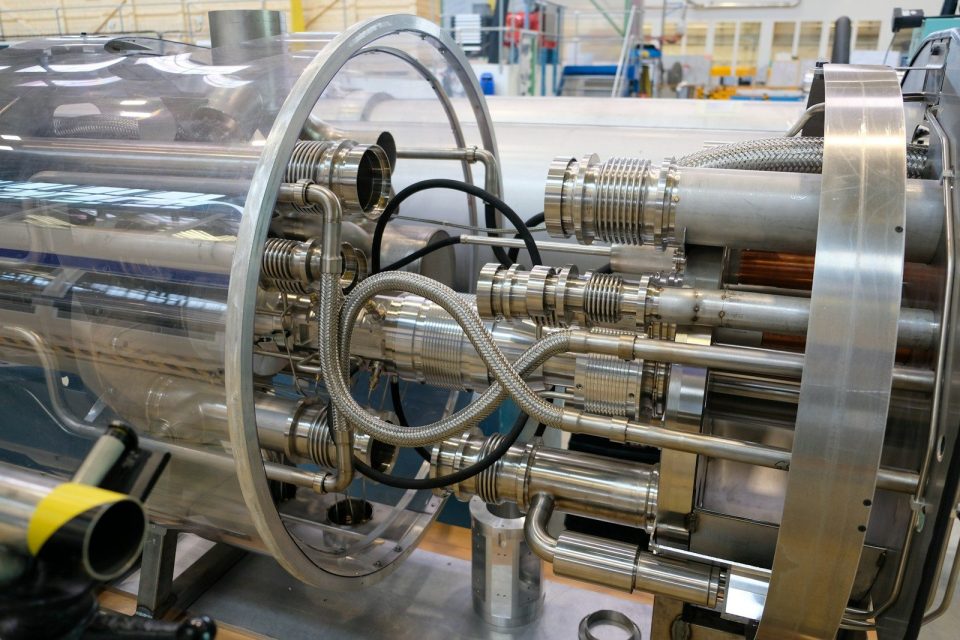
Ensuring reliability in pressure vessel applications stands as one of the most critical responsibilities in industrial operations today. These vessels, which operate under extreme conditions of pressure and temperature, demand rigorous attention to every component, from the structural integrity of the shell to the smallest sealing element. A single failure can result in catastrophic consequences, including equipment damage, environmental contamination, production downtime, and most importantly, serious injuries or fatalities. The stakes are simply too high to approach pressure vessel reliability with anything less than complete dedication to proven engineering principles and meticulous maintenance practices.
Pressure vessels serve essential functions across numerous industries, including chemical processing, petroleum refining, power generation, and food production. These containers must safely confine gases or liquids at pressures substantially different from ambient atmospheric pressure. The American Society of Mechanical Engineers defines a pressure vessel as any container with an internal pressure exceeding 15 psi, though many industrial applications involve pressures reaching thousands of pounds per square inch. Understanding the specific operating conditions of your pressure vessel is the first step toward ensuring its reliable performance. Temperature fluctuations, corrosive media, cyclic loading, and external environmental factors all contribute to the complex challenge of maintaining vessel integrity over years or even decades of service.
Material selection and design considerations
The foundation of reliable pressure vessel operation begins at the design stage. Engineers must carefully select materials that can withstand not only the maximum anticipated pressure but also the chemical properties of the contained substance and the operating temperature range. Carbon steel remains the most common material for general-purpose vessels, offering excellent strength at reasonable cost. However, stainless steel alloys become necessary when dealing with corrosive substances or applications requiring exceptional cleanliness. Specialized materials like titanium, nickel alloys, or composite materials may be required for extreme environments. The wall thickness must account for corrosion allowance, typically ranging from one-eighth to one-quarter inch depending on the expected service life and corrosiveness of the process fluid.
Design codes such as ASME Section VIII provide detailed requirements for pressure vessel construction, but applying these standards requires experienced engineering judgment. The code addresses factors including minimum wall thickness, weld quality requirements, head design, nozzle reinforcement, and accessibility for inspection. Every penetration in a pressure vessel creates a stress concentration that must be properly reinforced. Nozzles, manways, and inspection ports require careful engineering to prevent crack initiation. The geometry of vessel heads, whether hemispherical, ellipsoidal, or torispherical, significantly affects stress distribution and therefore reliability. Have you considered how seemingly minor design decisions can dramatically impact the long-term performance of your pressure vessels?
Sealing technologies for demanding applications
Among all pressure vessel components, sealing systems deserve particular attention because they represent common failure points. Flanged connections require gaskets that can maintain their sealing performance under dynamic operating conditions. The selection of appropriate gasket materials depends on temperature, pressure, chemical compatibility, and the surface finish of the flange faces. For applications involving aggressive chemicals or extreme pH levels, ptfe gaskets offer exceptional chemical resistance and can operate across a temperature range from minus 400 to plus 500 degrees Fahrenheit. The unique properties of expanded PTFE allow these gaskets to conform to imperfect flange surfaces while maintaining excellent recovery characteristics after compression.
Heat exchangers present particularly challenging sealing requirements because they involve multiple fluid streams at different temperatures and pressures. A heat exchanger gasket must prevent mixing of process streams while accommodating thermal expansion and contraction during startup, shutdown, and normal operation. These gaskets often experience higher temperatures than the main pressure vessel because they sit at the interface between hot and cold fluids. The differential thermal expansion between the heat exchanger shell and tube bundle creates additional mechanical stress on sealing elements. Selecting the wrong heat exchanger gasket can result in cross-contamination, reduced efficiency, or forced shutdown. Industries such as pharmaceutical manufacturing or food processing cannot tolerate any cross-contamination, making gasket reliability absolutely essential.
Inspection protocols that prevent failures
Regular inspection forms the backbone of ensuring reliability in pressure vessel applications throughout their operational life. The inspection frequency depends on the consequences of failure, operating severity, and regulatory requirements. External visual inspections should occur monthly, looking for signs of corrosion, leakage, deformation, or damaged insulation. Annual inspections typically include ultrasonic thickness measurements to monitor corrosion rates and verify that wall thickness remains above the minimum required value. Internal inspections, usually conducted every three to five years, allow direct examination of the vessel interior for pitting, cracking, erosion, or buildup of deposits. Advanced non-destructive testing methods such as radiography, magnetic particle inspection, and dye penetrant testing can detect subsurface flaws before they propagate to failure.
Documentation of inspection findings creates a historical record that enables trend analysis and predictive maintenance. Tracking corrosion rates allows engineers to estimate remaining service life and plan replacements before critical thickness is reached. Digital inspection technologies now enable detailed mapping of wall thickness across the entire vessel surface, identifying localized thinning that traditional spot measurements might miss. Acoustic emission monitoring can detect active crack growth during operation, providing early warning of developing problems. Thermographic inspection reveals hot spots that may indicate internal damage or refractory failure. Modern pressure vessel operators increasingly adopt risk-based inspection methodologies that focus resources on the highest-risk components while extending intervals for low-risk elements.
Maintenance practices that extend service life
Proper maintenance extends pressure vessel reliability far beyond original design life expectations. Establishing and following a comprehensive maintenance program prevents the majority of premature failures. Routine maintenance includes verifying proper operation of safety valves, pressure gauges, and temperature instruments. Safety relief valves should be tested and recalibrated annually to ensure they will function correctly in an overpressure event. Pressure gauges require periodic calibration, and many operators install duplicate gauges to provide redundancy. Corrosion protection systems such as cathodic protection require regular monitoring and adjustment to maintain effectiveness.
Flange management deserves special attention because improper assembly causes many pressure vessel leaks. Bolts must be tightened to proper torque values in the correct sequence to achieve uniform gasket compression. Using calibrated torque wrenches rather than impact wrenches prevents both under-tightening and over-tightening. When replacing ptfe gaskets, ensure flange surfaces are clean and free from scratches that could provide leak paths. Even minor surface imperfections can compromise seal integrity. The bolt material, thread condition, and lubrication all affect the relationship between applied torque and actual gasket stress. Many maintenance professionals now use hydraulic tensioning tools for large flanges because they provide more uniform and controllable bolt loading than traditional torque methods.
Addressing corrosion and material degradation
Corrosion represents the primary threat to long-term pressure vessel reliability. Understanding the specific corrosion mechanisms affecting your vessels enables selection of appropriate mitigation strategies. Uniform corrosion gradually reduces wall thickness across large areas, but remains relatively predictable through periodic thickness measurements. Localized corrosion types such as pitting, crevice corrosion, and stress corrosion cracking pose greater dangers because they can penetrate vessel walls while leaving the surrounding material intact. Hydrogen damage, common in high-temperature hydrogen service, causes embrittlement that cannot be detected by visual inspection.
Corrosion control strategies include material selection, protective coatings, corrosion inhibitors, and cathodic protection. Internal linings of glass, rubber, or plastic provide barriers between corrosive process fluids and the vessel wall. Chemical treatment programs adjust pH or add corrosion inhibitors to reduce corrosivity. Cathodic protection systems apply electrical current to shift the electrochemical potential and prevent corrosion. Regular monitoring of corrosion rates through coupon analysis or electrochemical methods allows adjustment of protection strategies before significant damage occurs. Some operators implement online corrosion monitoring systems that provide real-time data about corrosion activity. Does your facility have adequate corrosion monitoring to detect problems before they compromise vessel integrity?
Training and operational discipline
Even the best-designed and maintained pressure vessels can fail if operated improperly. Operator training must cover normal operating procedures, startup and shutdown sequences, emergency response, and recognition of abnormal conditions. Operators need to understand the consequences of exceeding design limits for pressure, temperature, or chemical composition. Thermal shock from rapid temperature changes can crack vessel walls or damage internal components. Overpressure events stress materials beyond their elastic limit, causing permanent deformation or rupture. Introducing incompatible chemicals can trigger violent reactions or accelerated corrosion.
Written operating procedures should specify acceptable ranges for all critical parameters and define required actions when deviations occur. Management of change procedures ensure that modifications to vessels, operating conditions, or process chemistry receive proper engineering review before implementation. Near-miss reporting and investigation prevent recurrence of conditions that could lead to actual failures. Regular emergency drills prepare operators to respond effectively during upset conditions. The human factors of pressure vessel reliability deserve as much attention as the technical aspects, because operator error contributes to a significant percentage of industrial accidents.
Regulatory compliance and industry standards
Pressure vessel operators must navigate a complex landscape of regulations and standards. The Occupational Safety and Health Administration enforces requirements for pressure vessel safety in the United States. The National Board of Boiler and Pressure Vessel Inspectors provides certification programs for inspectors and repair organizations. State and local jurisdictions may impose additional requirements beyond federal standards. International operations must comply with regulations in each country, which may reference different design codes such as the European Pressure Equipment Directive or various ISO standards.
Maintaining compliance requires systematic tracking of inspection due dates, certification renewals, and regulatory changes. Many companies use computerized maintenance management systems to schedule inspections and document compliance activities. Third-party inspection organizations provide authorized inspectors who verify compliance with jurisdictional requirements. Insurance companies often require inspections beyond minimum regulatory requirements as a condition of coverage. Ensuring reliability in pressure vessel applications ultimately depends on integrating technical excellence, operational discipline, and regulatory compliance into a comprehensive safety management system. The investment in proper design, quality materials, rigorous inspection, and ongoing maintenance pays dividends through decades of safe, reliable operation.
