
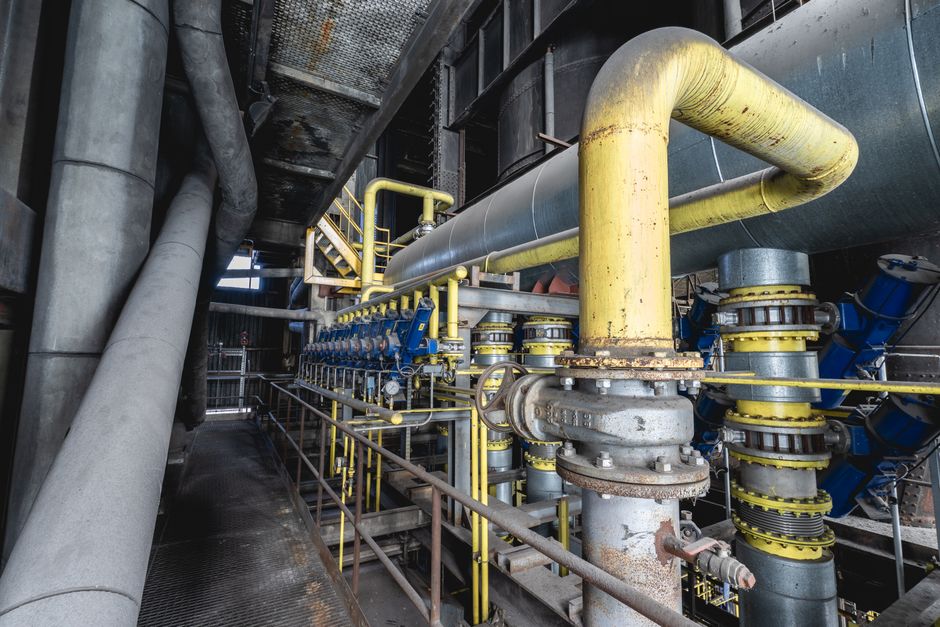
Pressure vessels form the backbone of countless industrial processes, from chemical manufacturing to power generation. The stakes are high when designing these critical components, as even minor flaws can lead to catastrophic failures. Optimizing pressure vessel design and construction techniques requires a comprehensive understanding of materials science, engineering principles, and modern fabrication methods. Today’s engineers face the challenge of balancing safety, efficiency, and cost-effectiveness while adhering to increasingly stringent regulatory standards.
Material selection fundamentals
Choosing the right materials represents the first crucial step in pressure vessel optimization. Carbon steel remains the most common choice for vessels operating at moderate temperatures and pressures, typically up to 400 degrees Celsius. Stainless steel grades offer superior corrosion resistance, making them ideal for chemical processing applications where purity matters. Alloy steels containing chromium and molybdenum provide enhanced strength at elevated temperatures, extending the operational range of pressure vessels in demanding environments. The material selection process must account for factors including operating pressure, temperature fluctuations, corrosive media, and fatigue cycles. Engineers increasingly use advanced computational tools to predict material behavior under complex loading conditions, reducing the risk of premature failure.
Advanced computational design methods
Finite element analysis has revolutionized how engineers approach pressure vessel optimization. These powerful simulation tools allow designers to visualize stress distributions, identify potential weak points, and test modifications virtually before fabrication begins. Modern software packages can model complex geometries, including nozzle reinforcements, saddle supports, and elliptical heads with remarkable accuracy. The analysis typically reveals stress concentration areas that require additional reinforcement or design modifications. What once took weeks of manual calculations now happens in hours, enabling rapid iteration and optimization. Engineers can evaluate multiple design scenarios, comparing wall thickness requirements, material costs, and fabrication complexity to identify the optimal solution. This computational approach has reduced material waste by fifteen to twenty percent in many applications while simultaneously improving safety margins.
Welding techniques and quality control
Welding quality directly impacts pressure vessel integrity and long-term performance. Submerged arc welding provides excellent penetration and deposition rates for thick-walled vessels, making it the preferred method for longitudinal and circumferential seams. Gas tungsten arc welding offers superior control for critical welds, particularly in stainless steel applications where contamination must be minimized. The selection of welding consumables requires careful consideration of base material compatibility and operating conditions. Preheating procedures prevent hydrogen cracking in carbon steels, while post-weld heat treatment relieves residual stresses that could compromise vessel performance. Non-destructive testing methods including radiography, ultrasonic examination, and magnetic particle inspection verify weld quality before vessels enter service. Documentation of welding procedures, welder qualifications, and inspection results creates an essential quality trail that regulatory bodies require.
Gasket sheets and sealing system optimization
Effective sealing systems prevent leakage and maintain pressure vessel integrity throughout operational life. The selection of appropriate gasket sheets depends on temperature, pressure, and chemical compatibility with process fluids. Compressed fiber gasket sheets work well for general-purpose applications up to moderate temperatures and pressures. Spiral-wound gaskets with graphite filler provide reliable sealing in high-temperature applications, while metal-jacketed designs offer chemical resistance in corrosive environments. The gasket seating stress must match both the flange design and bolt loading capacity to achieve proper compression. Engineers calculate required bolt loads using ASME formulas that account for internal pressure, gasket factors, and flange dimensions. Proper surface finish on flange faces ensures uniform gasket compression, with typical requirements ranging from 125 to 250 microinches roughness average.
Incorporating ba 203 standards in construction
Adherence to established codes and standards ensures pressure vessel safety and regulatory compliance. The ba 203 specification provides detailed requirements for pressure vessel plate materials used in welded construction. This standard defines chemical composition limits, mechanical property requirements, and testing procedures that manufacturers must follow. Material supplied to ba 203 undergoes rigorous quality control, including impact testing at specified temperatures to ensure adequate toughness. Manufacturers maintain detailed mill test reports documenting all required properties, providing traceability throughout the vessel’s service life. Construction teams reference ba 203 requirements when establishing welding procedures, heat treatment parameters, and inspection criteria. This standardization reduces variability in material properties and construction quality across different fabricators and geographic regions.
Thickness optimization strategies
Determining optimal wall thickness balances safety requirements against material costs and fabrication constraints. The basic pressure design equations from ASME Section VIII provide starting points, but optimization requires consideration of additional factors. Local stress concentrations near nozzles and attachments often drive thickness requirements beyond what simple formulas suggest. Corrosion allowances must account for expected service life and maintenance intervals, typically ranging from three to six millimeters in industrial applications. Engineers sometimes specify variable thickness designs, using heavier plates in high-stress regions while reducing material elsewhere. This approach can decrease vessel weight by ten to fifteen percent compared to uniform thickness designs. Advanced manufacturing techniques including laser cutting and automated welding make variable thickness fabrication more economically viable than ever before.
Nozzle and attachment design
Nozzles create stress concentrations that require careful engineering analysis and reinforcement. The area replacement method ensures adequate material surrounds openings to compensate for removed shell material. Engineers evaluate reinforcement limits extending one diameter from the opening centerline in each direction. Integral reinforcement uses excess thickness in the shell and nozzle walls when geometric conditions allow. Pad reinforcement becomes necessary when integral reinforcement proves insufficient, adding material around the opening perimeter. Finite element analysis helps optimize reinforcement shapes, minimizing stress concentrations while reducing material costs. Proper nozzle orientation considers both internal flow patterns and external piping loads that could compromise vessel integrity. How can designers balance the competing demands of accessibility, structural integrity, and fabrication economy? The answer lies in early collaboration between process engineers, structural designers, and fabrication specialists.
Inspection and testing protocols
Comprehensive testing validates that constructed vessels meet design specifications and safety requirements. Hydrostatic testing remains the industry standard, pressurizing vessels to 1.3 times their maximum allowable working pressure using water. This test verifies structural integrity and reveals leaks before the vessel enters hazardous service. Pneumatic testing offers an alternative when water creates unacceptable risks, though safety precautions increase due to stored energy concerns. Radiographic examination of all welded joints provides permanent records of internal weld quality. Ultrasonic testing offers advantages for thick-walled vessels where radiography becomes less effective. Magnetic particle and liquid penetrant examinations detect surface-breaking defects that other methods might miss. Documentation of all inspections, repairs, and test results creates a permanent quality record supporting future maintenance decisions.
Optimizing pressure vessel design and construction techniques demands integration of materials science, computational analysis, and proven fabrication methods. The industry continues evolving as new materials, analytical tools, and construction techniques emerge. Success requires balancing multiple objectives including safety, cost, fabricability, and operational performance. Engineers who master these optimization principles deliver vessels that serve reliably for decades while minimizing lifecycle costs.
